Red state, blue state. Does it matter?
This op-ed by Commonwealth Partners President & CEO Matt Brouillette originally appeared at PennLive.
Ask anyone today what their top political issue is, and you’ll likely hear “affordability.”
While it’s easy to blame politicians in Washington for unaffordability, the real culprits are often closer to home—sitting in our state Capitols and not the halls of Congress.
These state-level politicians determine state tax friendliness, job and business climate, and more.
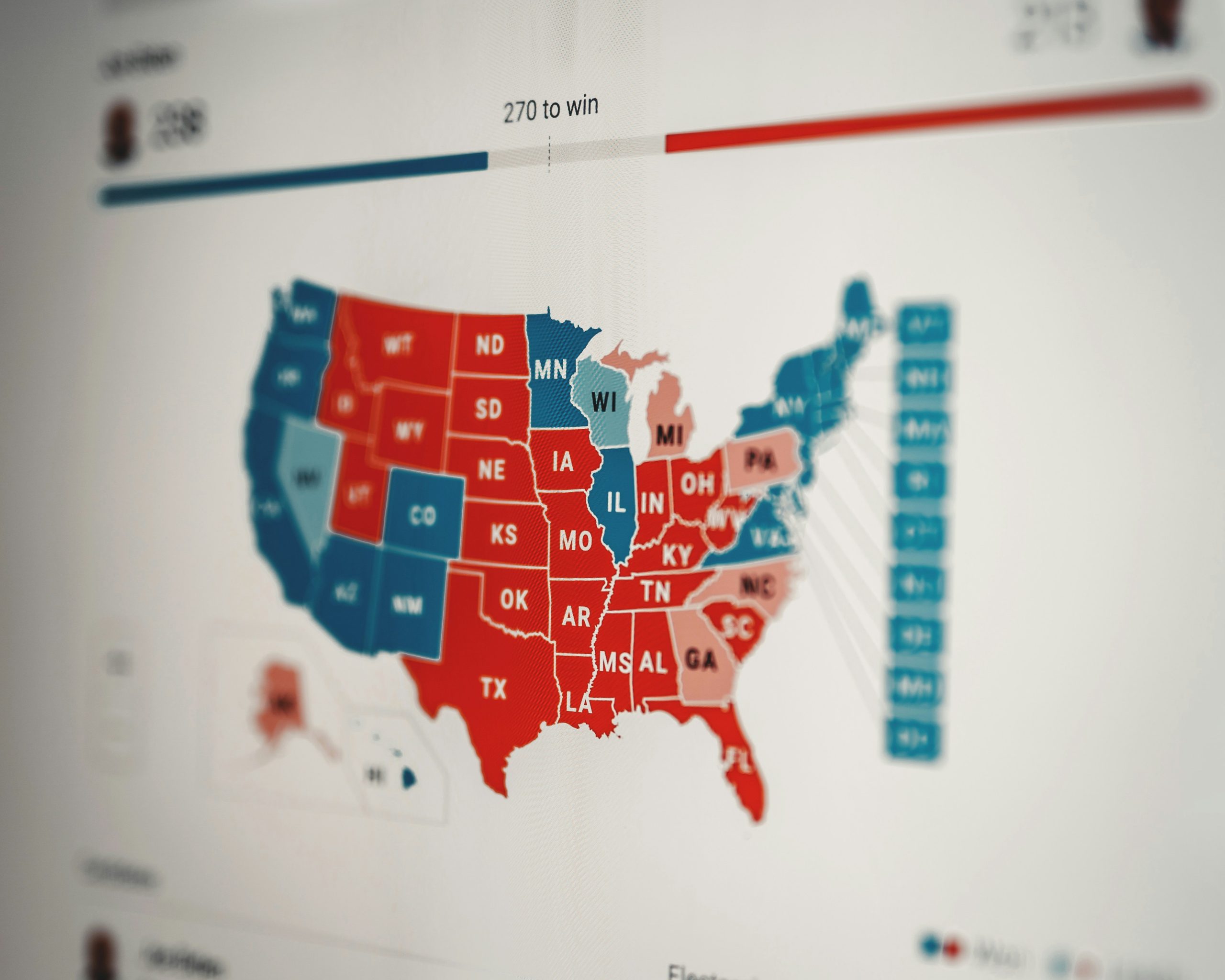
And it turns out that when it comes to Red states and Blue states, hue matters.
Nine of the best 10 states in terms of tax friendliness have Red trifectas—meaning Republicans control both chambers of the state legislature as well as the governor’s office. The only outlier, Alaska, has divided state government.
Meanwhile, eight of the 10 least tax-friendly states have Blue trifectas. The remaining two have divided government.
On jobs, the scenario is similar.
The Wall Street Journal recently compared states with strong private-sector job growth from 2020-2026 to states with anemic job growth.
Not surprisingly, high-tax states fared worse than low-tax states. And most of the worst offenders—including California, New York, Hawaii, and Oregon—have Democrat trifectas. Meanwhile, most of the states with the strongest private-sector job growth—led by Texas and Florida—have GOP trifectas.
Are there exceptions to the rule? Certainly. But it’s impossible to deny the connection between Democrat control, high taxes, and anemic job growth—all of which lead to unaffordability.
Where is Pennsylvania in the Red-Blue divide?
Today, we sit squarely in the middle. Neither Red nor Blue but Purple. For now.
In the face of a Blue House and Blue governor’s office, our Red Senate is the only reason Democrats have been unable to advance their worst policy proposals, including implementing a tsunami of tax hikes and new taxes, spiking energy prices, and eliminating educational opportunity.
But Democrats have a real shot of turning Pennsylvania Blue this year. All they need to do is re-elect Gov. Josh Shapiro, hold their current 102-101 House majority, and flip just two Republican senate seats in November.
What would they do with a trifecta? We need look no further than Virginia, where Democrats recently gained a trifecta, as well as to bills Pennsylvania Democrats are already introducing. It turns out new and higher taxes are only the start of their destructive agenda.
In the commonwealth to the south, Democrat Gov. Abigail Spanberger—who ran as a supposed “moderate”—immediately put Virginia back into the Regional Greenhouse Gas Initiative, which raises energy costs for consumers.
She also undermined public safety by refusing to cooperate with federal law enforcement personnel to take criminals off the street.
And let’s not forget that Virginia Democrats are pushing an extreme gerrymander of congressional districts—the same thing they claim to oppose.
Pennsylvania Democrats, meanwhile, are eyeing Virginia with envy, hoping to push through the same radical agenda.
For proof, just look at what they’ve already pushed: a progressive income tax that would make Pennsylvania unaffordable, higher energy costs via forced re-entry into RGGI, new regulations targeting job-creators, higher payroll taxes, and more.
And these wild proposals are even before Democrats gain control. As the saying goes, when they tell you who they are and what they plan to do, believe them.
States like California, New York, Illinois, and now Virginia show the direction Democrats take when they have power. No Pennsylvania Democrat lawmaker has denounced what these states are doing, and that’s because these lawmakers want to do the exact same things.
While Red states are lowering taxes, streamlining regulations, expanding educational opportunities, and attracting both residents and job creators, Blue states are driving families, jobs, and revenue away.
Blue states and Red states are not the same. The first deliver unaffordable living and job stagnation. The second offer a vibrant and expanding economy marked by educational opportunity and affordability. The choice couldn’t be clearer.
This November, Pennsylvanians will have the opportunity to make that choice.
##
Photo by Clay Banks on Unsplash.